
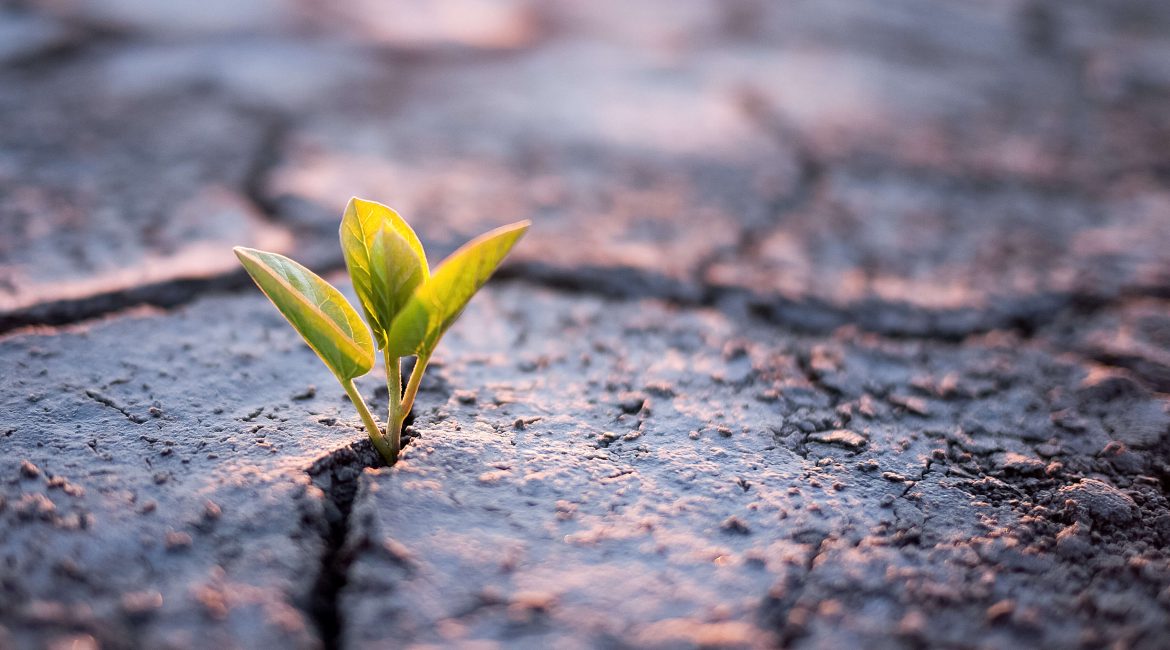
Life’s challenges are not merely obstacles; they often serve as catalysts for personal development and deeper understanding. Below, we explore several perspectives on how even the most difficult events may be guiding us toward growth, rather than simply occurring to us.
Guidance: Learning Practical Lessons
Difficult situations frequently offer us valuable lessons. When we encounter adversity, it can reveal practical insights into what actions or systems we can implement to prevent similar issues in the future. By observing repeating patterns, we can design new processes, establish rules, or create routines that help us manage recurring challenges more effectively.
Awakening: Moving Toward Greater Awareness
Not every hardship comes with a clear lesson. Sometimes, pain or challenge is simply a part of our journey toward greater self-awareness. These experiences can awaken us to new perspectives and deeper understanding, even if the lesson is not immediately apparent.
Growth: Building Strength and Flexibility
From an evolutionary perspective, facing and overcoming tough challenges compels us to adapt and become stronger. Obstacles highlight the skills we need to develop and encourage us to grow and become more flexible in our responses to future difficulties.
Empathy: Deepening Compassion
Hardships also have the power to deepen our empathy and compassion for others. By navigating our own difficulties, we become better equipped to support those around us, understanding their struggles with greater sensitivity and care.
Examination: Testing Our Desires and Abilities
Challenging moments serve as important tests in our lives. They prompt us to examine whether we truly desire what we claim, assess our understanding, and put our abilities to the test. These situations can clarify our intentions and reveal areas for further development.
Proof: Recognising Our Resilience
When we face challenges, they provide concrete evidence of our capabilities. Difficult moments show us just how much we can handle and help build our confidence in our strengths and resilience.
Cultivating Trust: Embracing Uncertainty
Often, we cannot predict the outcome of challenges. By learning to trust the process, we become more open to new experiences. Each obstacle becomes an opportunity to build deeper trust in ourselves and the journey we are on.
Putting It Into Action: A Real-Life Scenario
Consider the example of someone who experienced being verbally attacked and lied about. Initially, they felt angry and frustrated, focused on the unfairness of the situation. However, they recognised that they had control over their response. By choosing not to engage and setting clear boundaries, they were able to resolve the issue.
- Guidance: Taking steps to prevent the problem from recurring.
- Awakening: Reflecting and processing emotions led to clearer discernment.
- Growth: Managing intense feelings and responding with compassion marked significant personal progress.
- Empathy: Understanding emotional nuance led to greater compassion for others.
- Examination: Handling the situation gracefully demonstrated an expanded ability to cope.
- Proof: Navigating the difficulty highlighted personal resilience.
- Cultivating Trust: Each challenge provided another opportunity to practice trusting that things would work out in the end.
Empowering Thoughts
- Can I release the urge to get the last word or defend myself?
- How might I focus solely on the facts and let go of both sides’ stories?
- In what ways can I find grace and compassion for all involved, including myself?
